Here you can find my research work as peer-reviewed publications. My academic contributions were authored under my birth name Steinbeck.
RWTH Aachen University
Tailoring the Characteristics of Complex-Shaped Microgels
Lea Maria Steinbeck
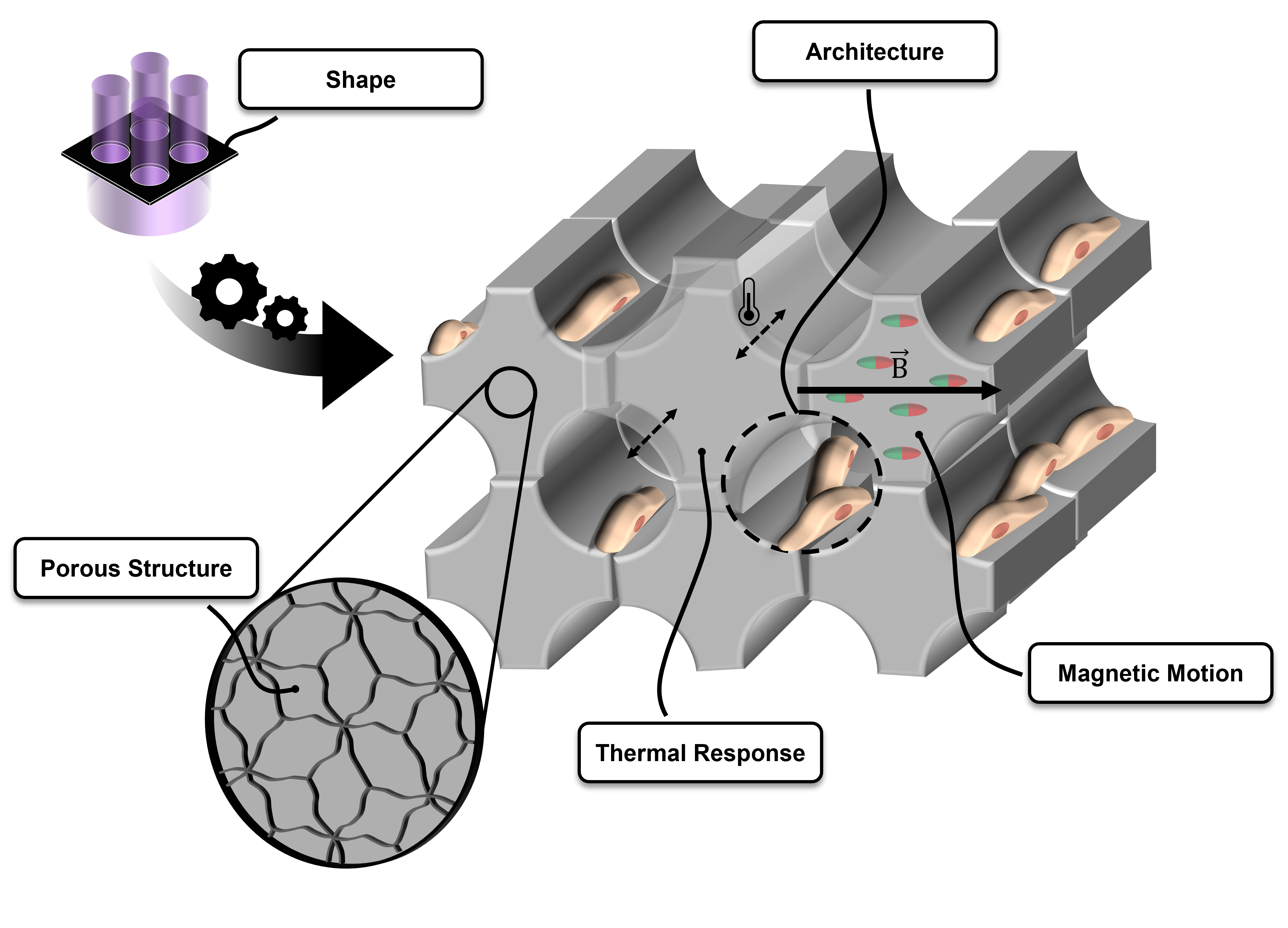
Five years of research are now brought together in my PhD thesis. I focused on the high-throughput fabrication of complex-shaped hydrogels using automated projection lithography in stop-flow mode. By tailoring properties such as shape, porosity, thermal response, magnetism, and internal architecture, I built a versatile toolbox of adjustable properties that allows these hydrogels to be precisely adapted to different applications.
Microgels are micrometer-sized polymer networks swollen in water or a similar solvent. They are used in various areas, such as water treatment, soft robotics, and tissue engineering. In order to fully exploit the potential of microgels, their properties need to be precisely adjusted in line with their application. In this regard, non-spherical microgels attract increasing interest as they extend the microgels’ properties through their anisometry. However, fabricating complex-shaped anisometric microgels is still more challenging than producing spherical ones and, therefore, much rarer. This thesis examines the fabrication of such complex-shaped microgels and the customization of selected microgel characteristics. The aim is to establish a fabrication platform with a repertoire of tailorable microgel characteristics that enables the combination and reliable regulation of the properties of a microgel.
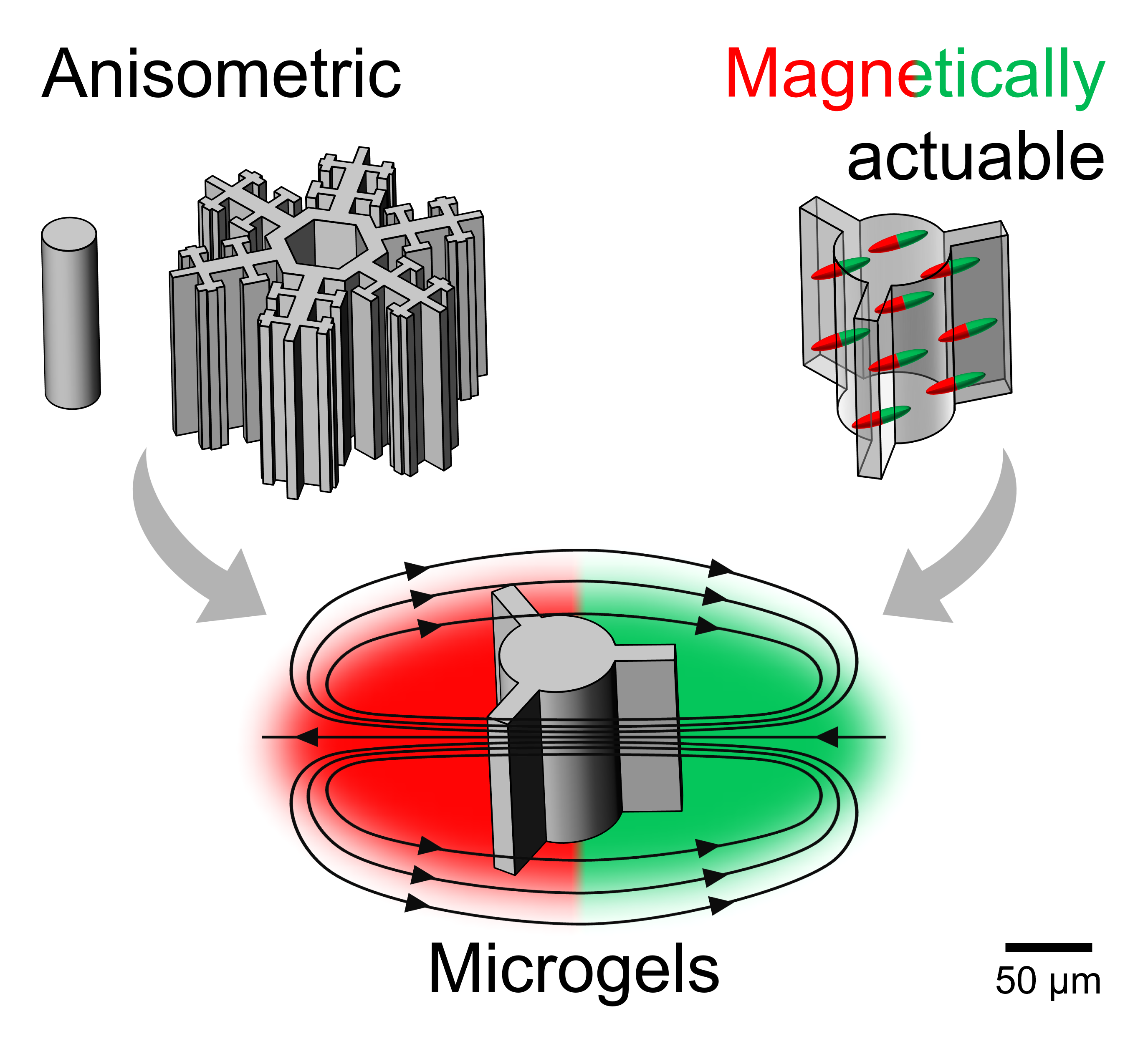
Stop-flow lithography (SFL) served as a fabrication method for complex-shaped microgels. This fabrication was modified in this thesis to tailor the characteristics of the microgels. The porous structure of the microgels was altered by using a cononsolvent in the reaction solution, which changed the polymer interactions during polymerization. This altered microgel structure influenced the thermal response of the poly(N-isopropyl acrylamide) (PNIPAM) microgels. These showed a significantly higher collapsing degree, modified collapsing and swelling kinetics, and inhomogeneous patterns during the swelling process. Adding ellipsoidal magnetic nanoparticles to the reaction solution resulted in magnetic microgels. By aligning the nanoparticles prior to polymerization, the microgels possessed a pre-defined magnetic moment, determining their alignment direction in a magnetic field. This alignment allowed the microgels to rotate in solution or rotate fixed in a microfluidic channel, actively mixing the surrounding solution. The limits of microgel fabrication via radical projection lithography have been exploited to create so-called patches with a novel technique. The patches are millimeter-sized hydrogels with highly crosslinked features connected to each other by a weaker crosslinked and flatter polymer network. The exact geometry, porosity, mechanical stability, and other properties of these patches can be adjusted.
This work shows how porosity, thermal response, magnetic actuation, and architecture of complex-shaped microgels can be precisely tuned via SFL fabrication. Thus, microgel characteristics can be extended and better tailored, which enables customization for future applications of microgels, such as scaffolds for tissue engineering, which are one of their most promising applications.
Hierarchically Structured and Tunable Hydrogel Patches -- Design, Characterization, and Application
Lea Steinbeck, Richard Paul, Julia Litke, Isabel Karkoszka, G. Philip Wiese, John Linkhorst, Laura De Laporte, Matthias Wessling
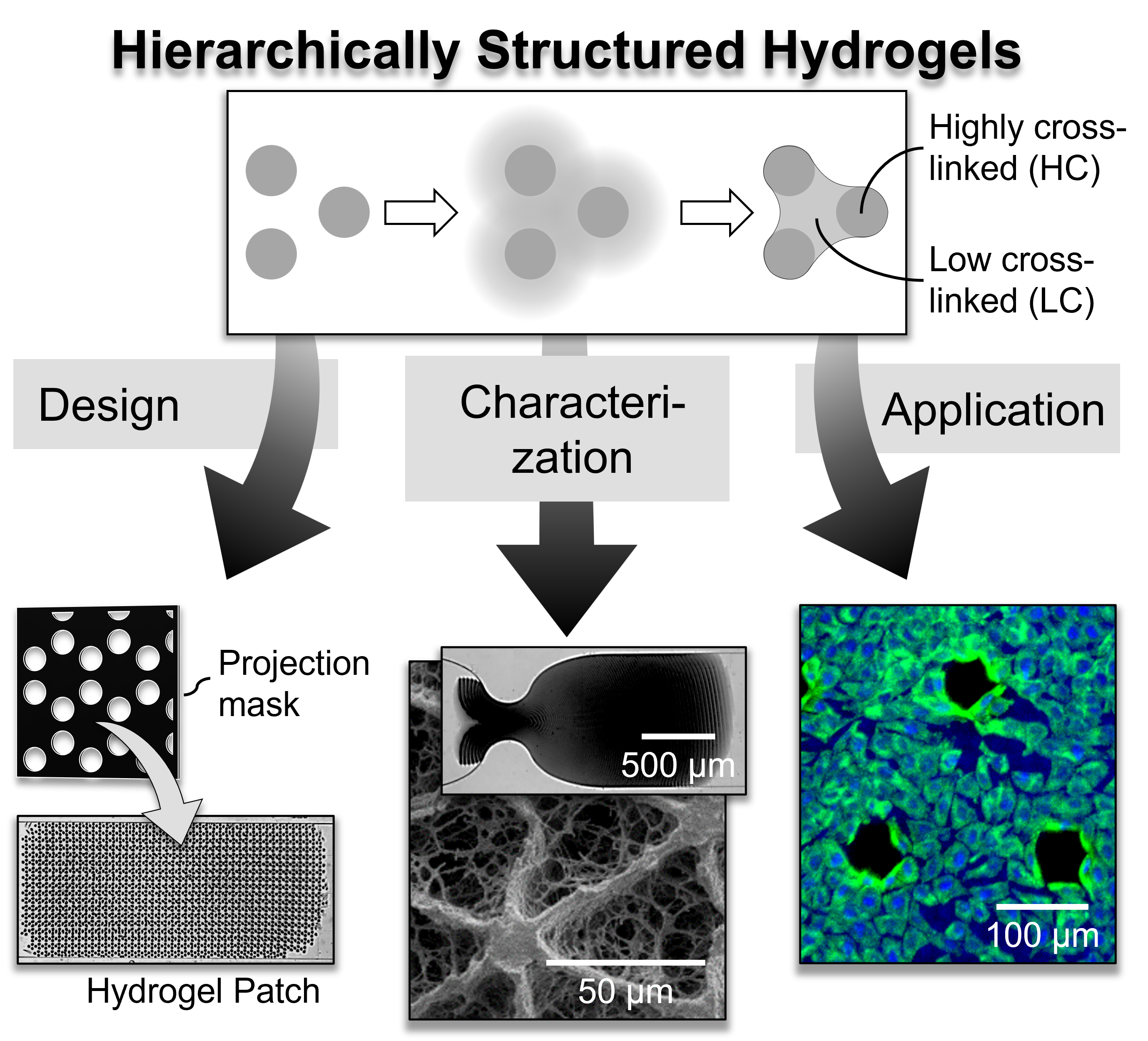
Recent studies show the importance of hydrogel geometry for various applications, such as encoding, micromachines, or tissue engineering. However, fabricating hydrogel structures with micrometer-sized features, advanced geometry, and precise control of porosity remains challenging. This work presents hierarchically structured hydrogels, so-called hydrogel patches, with internally deviating regions on a micron-scale. These regions are defined in a one-step, high-throughput fabrication process via stop-flow lithography. Between the specified projection pattern during fabrication, an interconnecting lower crosslinked and more porous hydrogel network forms, resulting in at least two degrees of crosslinking within the patches. A detailed investigation of patch formation is performed for two material systems and pattern variations, revealing basic principles for reliable patch formation. In addition to the two defined crosslinked regions, further regions are implemented in the patches by adapting the pattern accordingly. The variations in pattern geometry impact the mechanical characteristics of the hydrogel patches, which display pattern-dependent compression behavior due to predefined compression points. Cell culture on patches, as one possible application, reveals that the patch pattern determines the cell area of L929 mouse fibroblasts. These results introduce hierarchically structured hydrogel patches as a promising and versatile platform system with high customizability.
Cell Adhesion and Local Cytokine Control on Protein-Functionalized PNIPAM-co-AAc Hydrogel Microcarriers
Sebastian B. Rauer, Lucas Stüwe, Lea Steinbeck, Marcelo A. Szymanski de Toledo, Gereon Fischer, Simon Wennemaring, Jonas Marschick, Steffen Koschmieder, Matthias Wessling, John Linkhorst
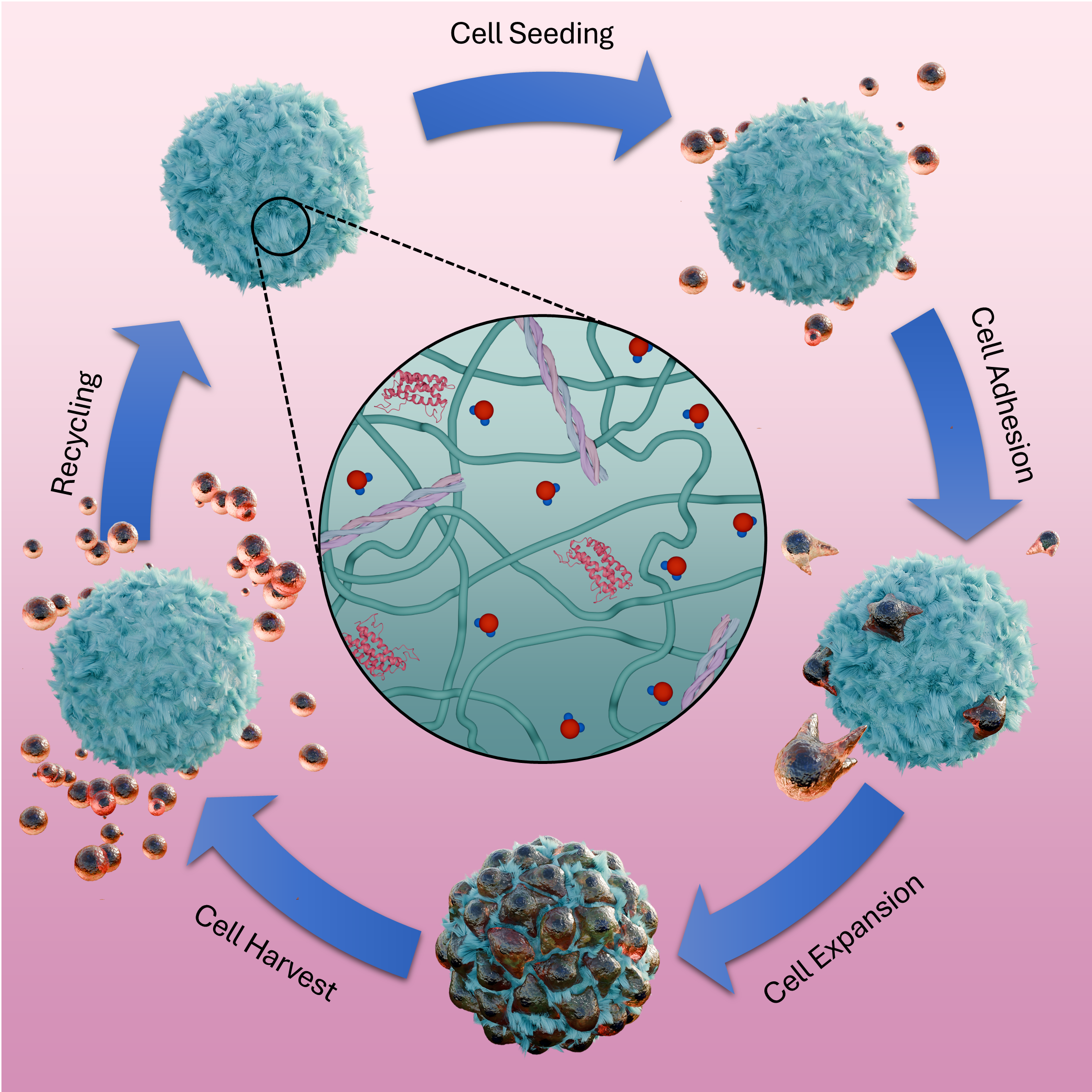
Achieving adequate cell densities remains a major challenge in establishing economic biotechnological and biomedical processes. A possible remedy is microcarrier-based cultivation in stirred-tank bioreactors (STBR), which offers a high surface-to-volume ratio, appropriate process control, and scalability. However, despite their potential, commercial microcarriers are currently limited to material systems featuring unnatural mechanical properties and low adaptability. Because matrix stiffness and ligand presentation impact phenotypical attributes, differentiation potential, and genetic stability, biotechnological processes can significantly benefit from microcarrier systems tailorable toward cell-type specific requirements. This study introduces hydrogel particles co-polymerized from poly(N-isopropylacrylamide) (PNIPAM) and acrylic acid (AAc) as a platform technology for cell expansion. The resulting microcarriers exhibit an adjustable extracellular matrix-like softness, an adaptable gel charge, and functional carboxyl groups, allowing electrostatic and covalent coupling of cell adhesive and cell fate-modulating proteins. These features enable the attachment and growth of L929 mouse fibroblast cells in static microtiter plates and dynamic STBR cultivations while also providing vital growth factors, such as interleukin-3, to myeloblast-like 32D cells over 20 days of cultivation. The study explores the effects of different educt compositions on cell-particle interactions and reveals that PNIPAM-co-AAc microcarriers can provide both covalently coupled and diffusively released cytokine to adjacent cells.
Porous Anisometric PNIPAM Microgels -- Tailored Porosity and Thermal Response
Lea Steinbeck, Hanna J. M. Wolff, Maximilian Middeldorf, John Linkhorst, Matthias Wessling
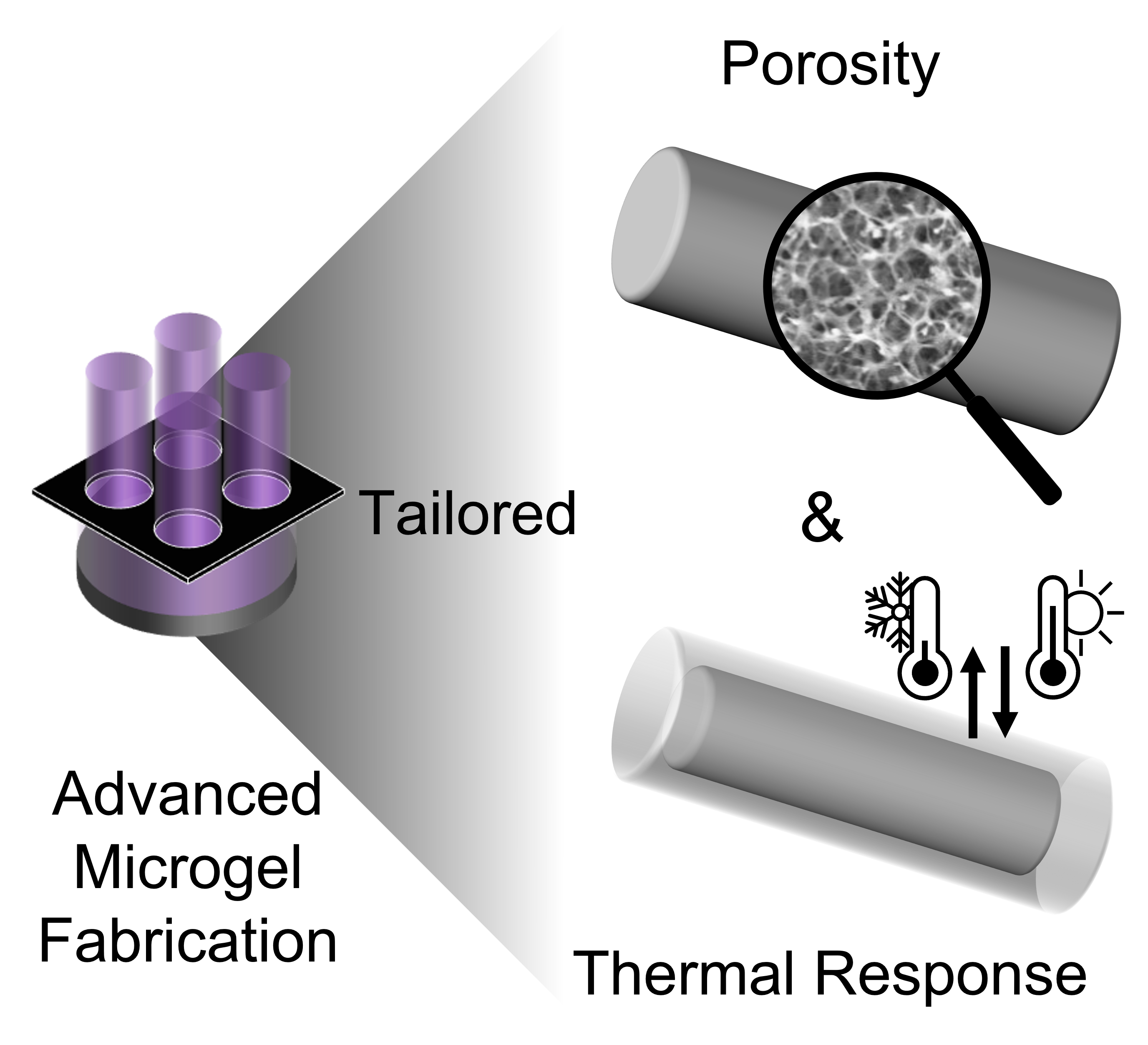
The porous structure of microgels significantly influences their properties and, thus, their suitability for various applications, in particular as building blocks for tissue scaffolds. Porosity is one of the crucial features for microgel–cell interactions and significantly increases the cells' accumulation and proliferation. Consequently, tailoring the porosity of microgels in an effortless way is important but still challenging, especially for nonspherical microgels. This work presents a straightforward procedure to fabricate complex-shaped poly(N-isopropyl acrylamide) (PNIPAM) microgels with tuned porous structures using the so-called cononsolvency effect during microgel polymerization. Therefore, the classical solvent in the reaction solution is exchanged from water to water–methanol mixtures in a stop-flow lithography process. For cylindrical microgels with a higher methanol content during fabrication, a greater degree of collapsing is observed, and their aspect ratio increases. Furthermore, the collapsing and swelling velocities change with the methanol content, indicating a modified porous structure, which is confirmed by electron microscopy micrographs. Furthermore, swelling patterns of the microgel variants occur during cooling, revealing their thermal response as a highly heterogeneous process. These results show a novel procedure to fabricate PNIPAM microgels of any elongated 2D shape with tailored porous structure and thermoresponsiveness by introducing the cononsolvency effect during stop-flow lithography polymerization.
Magnetically Actuable Complex-Shaped Microgels for Spatio-Temporal Flow Control
Lea Steinbeck, Dominik L. Braunmiller, Hanna J. M. Wolff, Vincent Hüttche, Julia Wang, Matthias Wessling, Jérôme J. Crassous, John Linkhorst
Complex-shaped microgels are promising building blocks for soft metamaterials. Their active and remote orientational control provides significant potential in architecting them in time and space. This work describes the use of magnetically actuable microgels of complex shape for spatio-temporal flow control and showcases the concept for microfluidic impellers. First, the fabrication of complex-shaped magnetically actuable poly(ethylene glycol) diacrylate based microgels via stop-flow lithography is presented. The microgels comprise a pre-programmed magnetic moment set by pre-aligned maghemite nanospindles during the fabrication step. This feature allows the microgels to be positioned in a static magnetic field and rotate under application of a rotating external field. The dependence of the magnetic field rotation rate and strength, maghemite content, and microgel shape on the magnetic response of the microgels is comprehensively quantified. Finally, the magnetic complex-shaped microgels are integrated as actuable impellers in a microfluidic chip. The microgels are positioned in space by polymerizing them around fixed poly(dimethylsiloxane) (PDMS) pillars. Free rotation around the PDMS pillar is achieved due to the oxygen inhibition layer at the chip and pillar surface. The versatility of the fabrication methodology is showcased by the investigation of in-chip mixing in a microfluidic device consisting of soft responsive impellers.
Biocompatible Micron-Scale Silk Fibers Fabricated by Microfluidic Wet Spinning
Arne Lüken, Matthias Geiger, Lea Steinbeck, Anna-Christin Joel, Angelika Lampert, John Linkhorst, Matthias Wessling
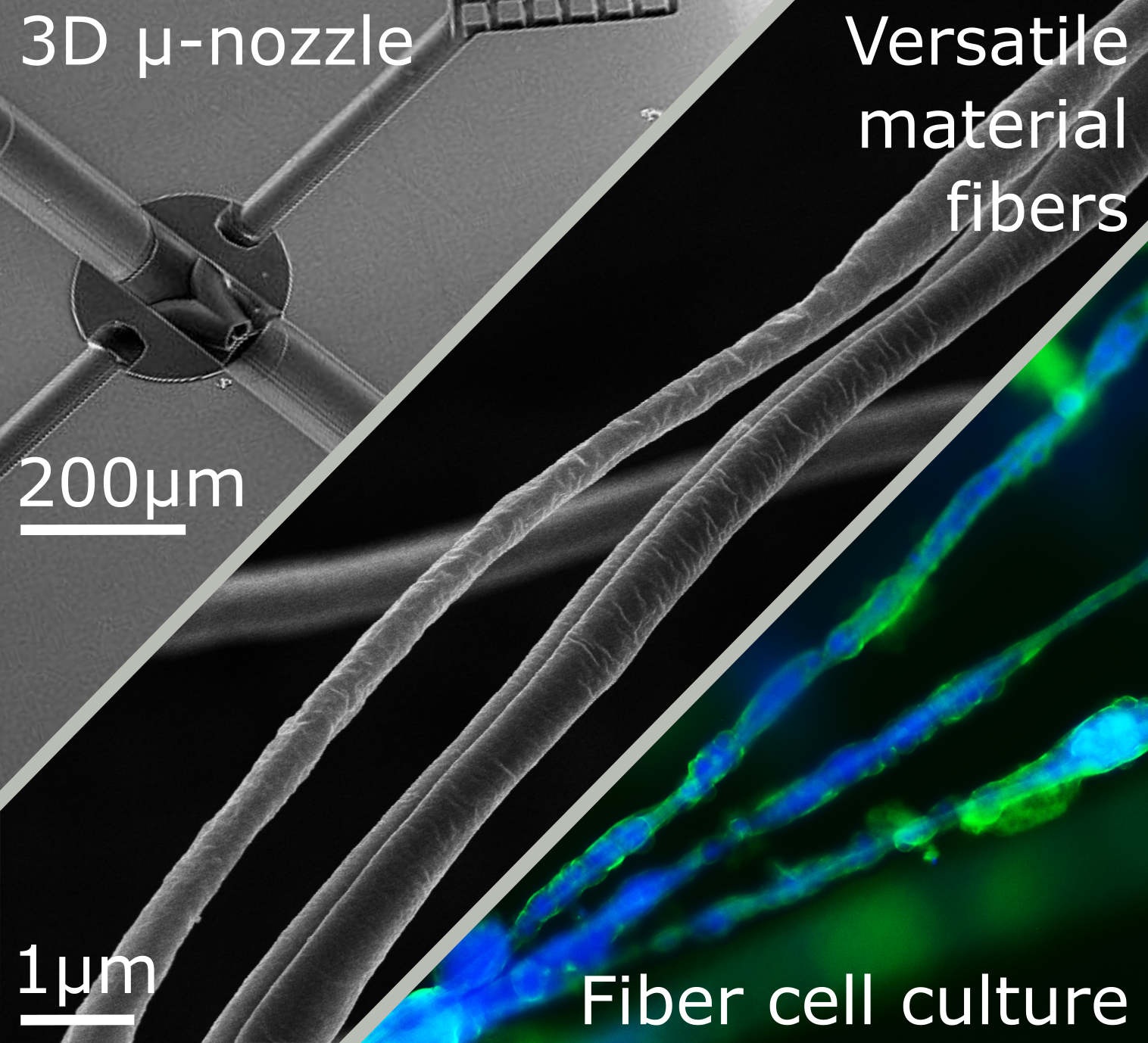
For successful material deployment in tissue engineering, the material itself, its mechanical properties, and the microscopic geometry of the product are of particular interest. While silk is a widely applied protein-based tissue engineering material with strong mechanical properties, the size and shape of artificially spun silk fibers are limited by existing processes. This study adjusts a microfluidic spinneret to manufacture micron-sized wet-spun fibers with three different materials enabling diverse geometries for tissue engineering applications. The spinneret is direct laser written (DLW) inside a microfluidic polydimethylsiloxane (PDMS) chip using two-photon lithography, applying a novel surface treatment that enables a tight print-channel sealing. Alginate, polyacrylonitrile, and silk fibers with diameters down to 1 µm are spun, while the spinneret geometry controls the shape of the silk fiber, and the spinning process tailors the mechanical property. Cell-cultivation experiments affirm bio-compatibility and showcase an interplay between the cell-sized fibers and cells. The presented spinning process pushes the boundaries of fiber fabrication toward smaller diameters and more complex shapes with increased surface-to-volume ratio and will substantially contribute to future tailored tissue engineering materials for healthcare applications.
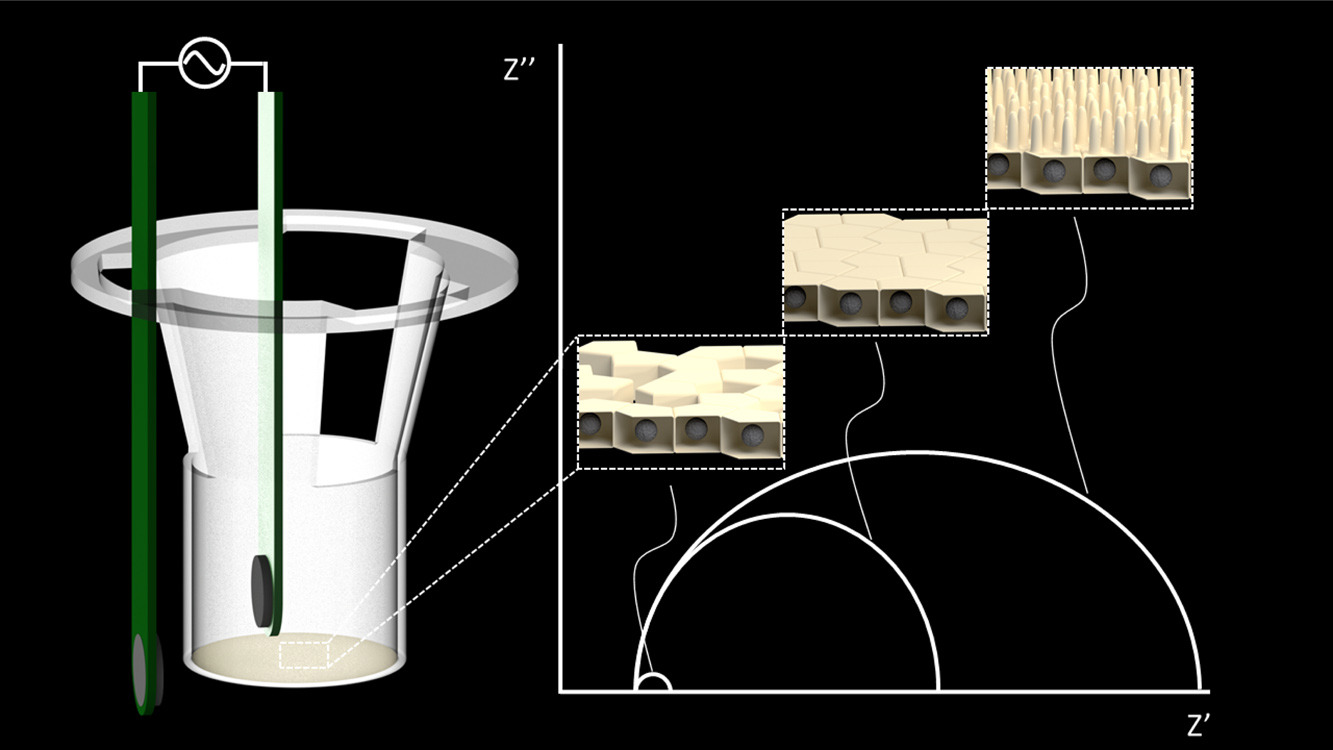
We describe an impedance-based method for cell barrier integrity testing. A four-electrode electrical impedance spectroscopy (EIS) setup can be realized by simply connecting a commercial chopstick-like electrode (STX-1) to a potentiostat allowing monitoring cell barriers cultivated in transwell inserts. Subsequent electric circuit modeling of the electrical impedance results the capacitive properties of the barrier next to the wellknown transepithelial electrical resistance (TEER). The versatility of the new method was analyzed by the EIS analysis of a Caco-2 monolayer in response to (a) different membrane coating materials, (b) two different permeability enhancers ethylene glycol-bis(2-aminoethylether)-N,N,N’,N’-tetraacetic acid (EGTA) and saponin, and (c) sonoporation. For the different membrane coating materials, the TEERs of the standard and new protocol coincide and increase during cultivation, while the capacitance shows a distinct maximum for three different surface materials (no coating, Matrigel®, and collagen I). The permeability enhancers cause a decline in the TEER value, but only saponin alters the capacitance of the cell layer by two orders of magnitude. Hence, cell layer capacitance and TEER represent two independent properties characterizing the monolayer. The use of commercial chopstick-like electrodes to access the impedance of a barrier cultivated in transwell inserts enables remarkable insight into the behavior of the cellular barrier with no extra work for the researcher. This simple method could evolve into a standard protocol used in cell barrier research.